
Multi-Layer Edge Price South Africa 2026: Expert Tips on Reducing Layered Edge Cost in South Africa, Johannesburg, Pretoria, Durban & Cape Town
Transform your home with elegant multi-layer edges in 2026. Prices in South Africa are evolving, offering exciting possibilities for homeowners. This guide covers pricing across all provinces and major cities.
Our guide draws from the Technology Innovation Agency’s Strategic Plan 2020-2026. Every rand invested yields a R3.10 return to South Africa’s economy. This growth extends to stone edge treatments.
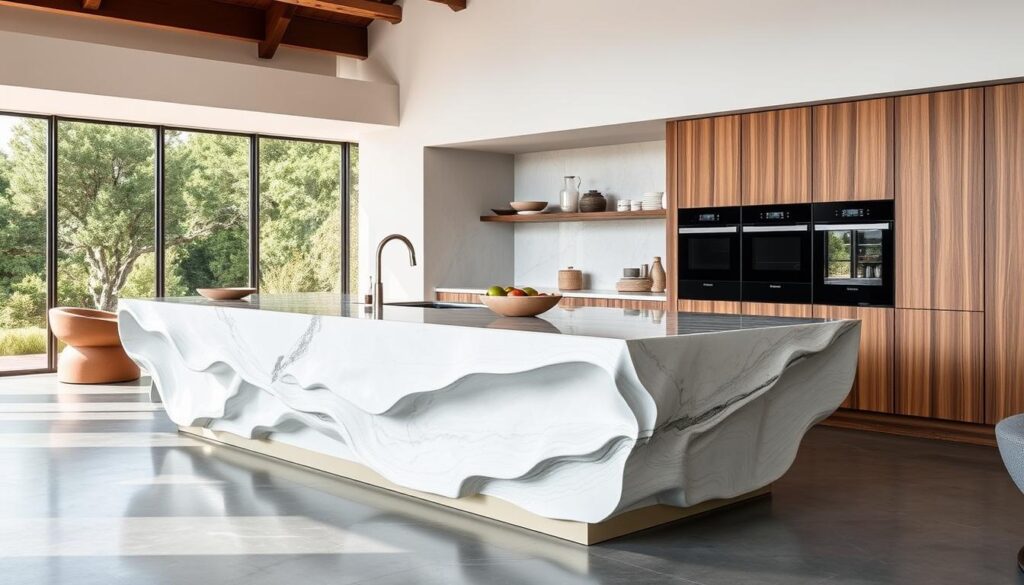
We’ve got you covered, from stacked edge profiles in Cape Town to stepped edge stones in Pretoria. Our insights include multi-layer edge granite prices and layered edge costs in Johannesburg.
Economic projections and technology shape the multiple tier granite industry in Durban and beyond. We’ll explore factors influencing multi-layer edge prices across South Africa. This information will help you make the best choice for your home.
Understanding Multi-Layer Edge Price South Africa
Multi-layer edge treatments are gaining popularity in South Africa for granite and stone finishes. These complex edge details add unique appeal to countertops and stone surfaces. They offer a sophisticated look for kitchens and bathrooms – Contact us
What is Multi-Layer Edge Treatment
Multi-layer edge treatment creates a tiered profile on stone surfaces. It involves a stepped granite edge, adding depth and visual interest. This stacked edge detail typically includes multiple tiers.
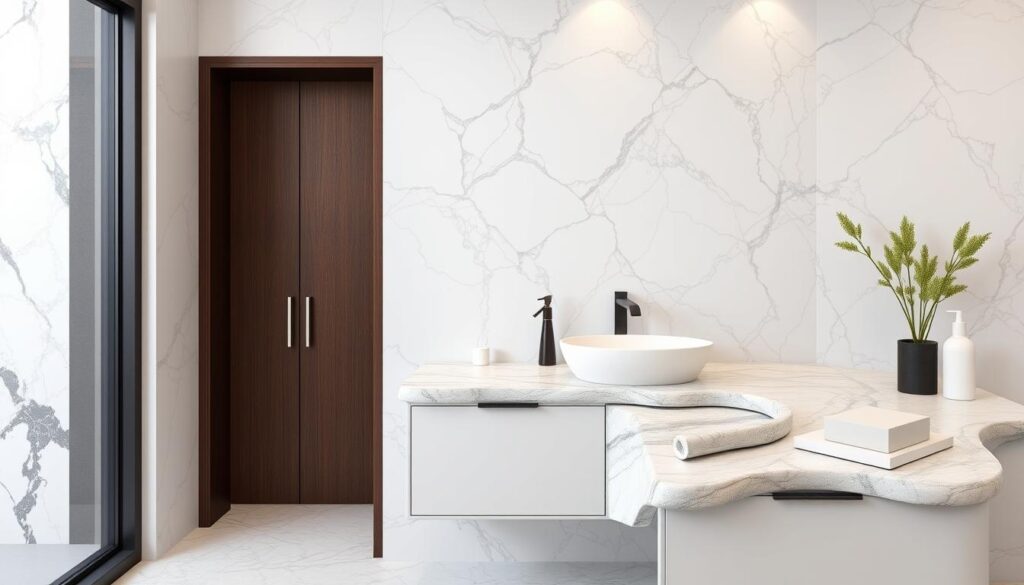
Types of Multi-Layer Edge Profiles
Several multi-layer specifications are available in South Africa:
- Double Ogee: A classic profile with two curved edges
- Triple Pencil: Features three rounded edges for a softer look
- Waterfall: Creates a cascading effect with multiple steps
- Chiseled: Offers a rustic, textured appearance
Material and Labour Components
The cost of multi-layer edge treatments varies based on different factors.
| Component | Description | Impact on Price |
|---|---|---|
| Stone Type | Granite, marble, quartz | High |
| Edge Complexity | Number of tiers and details | Medium |
| Labour | Skilled craftsmanship required | High |
| Equipment | Specialised tools for cutting | Medium |
Prices for multi-layer edges may differ across South Africa. It’s best to check with local suppliers for accurate quotes. They can provide information on availability and costs in your area.
Regional Price Variations Across South African Provinces
Multi-layer edge prices in South Africa differ greatly between provinces. Economic factors, local industry growth, and market trends cause this diversity. Let’s look at pricing in key areas.
Gauteng and Johannesburg Pricing
Johannesburg edge experts offer competitive rates due to the city’s economic strength. Gauteng’s prices reflect the high number of Sandton stone services and Pretoria edge masters.
The region’s thriving economy and demand for luxury finishes push prices above the national average.
Western Cape and Cape Town Rates
Cape Town’s stone profiling services mirror the city’s distinct architectural style. Prices here are often lower than Gauteng’s, thanks to local multi-layer cutting specialists.
The Western Cape’s tourism sector also affects demand and pricing for stone edge treatments.
KwaZulu-Natal Market Costs
Durban granite specialists serve both coastal and inland markets. KwaZulu-Natal’s prices are generally more affordable than Gauteng’s.
A growing industry of South African fabrication experts boosts competition and service quality in the region.
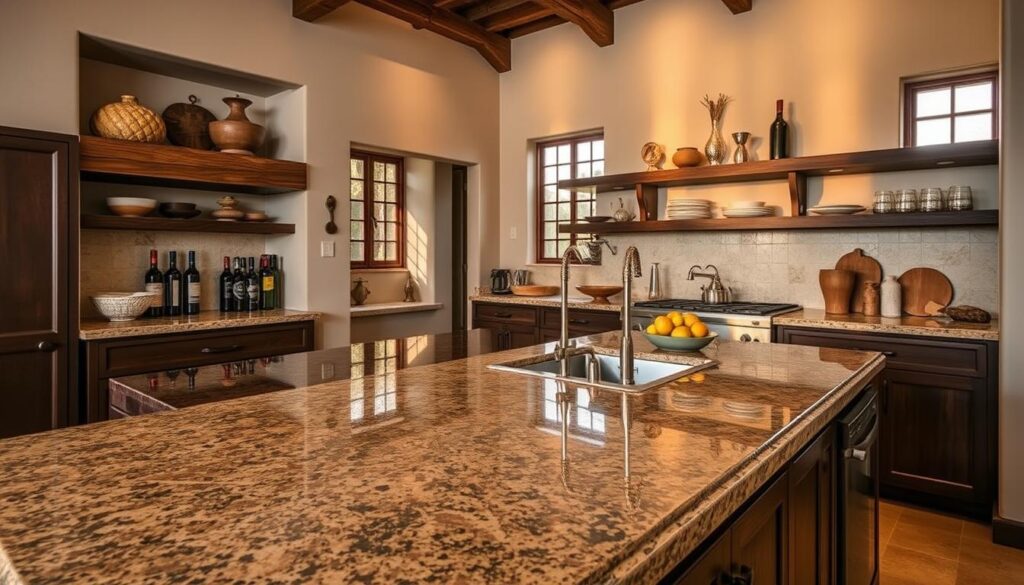
Other Provincial Price Considerations
Prices in less populated provinces can vary widely. Transport costs, skilled labour availability, and local economic conditions are crucial factors.
Areas with growing mining sectors may see higher demand and prices for stone edge treatments.
| Province | Average Price Range | Key Influencing Factors |
|---|---|---|
| Gauteng | R800 – R1200 | High demand, economic hub |
| Western Cape | R750 – R1100 | Tourism, architectural trends |
| KwaZulu-Natal | R700 – R1000 | Coastal influence, growing industry |
| Other Provinces | R600 – R900 | Transport costs, local economy |
Factors Influencing Multi-Layer Edge Costs in 2026
South Africa’s multi-layer edge industry is set for big changes by 2026. Economic growth, tech advancements, and industry developments will shape complex edge labour costs. Multi-tier setups will also be affected.
Economic Growth Projections
South Africa’s e-commerce sector reached 4.065 billion USD in 2026. This growth may increase demand for multi-layer edge treatments in retail spaces. Businesses might face higher layered cutting charges as they invest in attractive storefronts.
Technology and Innovation Impact
Tech progress will transform the industry. Over 75% of South African households have internet access. This leads to more digital integration in manufacturing processes.
Efficient equipment rates and lower tooling expenses could result. These changes may offset rising labour costs in the multi-layer edge industry.
| Technology Factor | Impact on Costs |
|---|---|
| AI and Data Analytics | Optimised specialist pricing |
| Edge Computing | Improved equipment efficiency |
| Spatial Computing | Enhanced design processes |
Industry Development Forecasts
The South Africa SME Fund’s investment signals growth for small-scale fabricators. This could lead to more competitive installation fees and diverse multi-tier setup options.
The global Edge Computing Market may reach US$ 156.2 billion by 2031. This growth could bring advanced tech to the multi-layer edge industry.
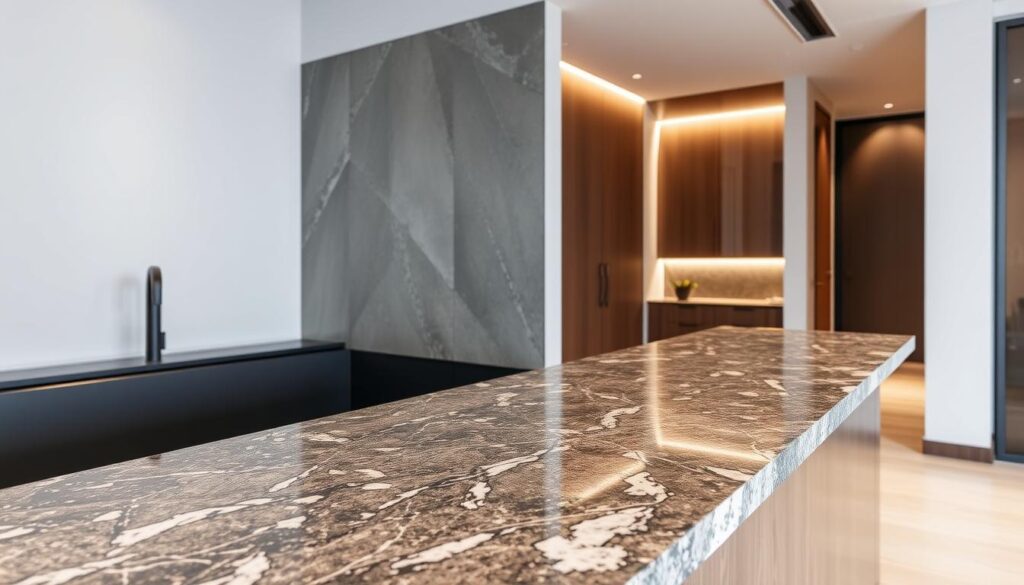
The industry’s evolution will balance rising specialist pricing with efficient processes. This shift will shape multi-layer edge costs in South Africa by 2026.
Professional Installation and Service Quality Standards

South Africa’s standards for multi-layer installation and complex edge finishing have improved greatly. The industry now focuses on specialised edging and expert profiling. This aligns with the country’s drive for innovation and quality.
Stone fabrication now requires precision cutting and detailed finishing. These skills are vital for tiered stone treatment and custom edge work. Skysite Rope Access, established in 1998, showcases these high standards.
The company has expanded its services across Africa, America, and Asia. This growth demonstrates South African expertise on a global scale.
Quality standards in multi-layer edge treatments now include:
- Adherence to South African National Standards
- Use of advanced technology for precision cutting
- Specialised training for complex edge finishing
- Rigorous quality control measures
These standards ensure top-notch results and affect pricing. Clients now expect expert craftsmanship in their stone installations. This quality focus has made South African stone fabrication globally competitive.
“Our commitment to excellence in multi-layer installation and specialised edging has allowed us to tackle projects of all scales, from residential to industrial,” says a spokesperson from Skysite.
By 2026, we expect further advancements in techniques and technology. This ongoing progress will shape the future of professional multi-layer edge treatments in South Africa.
Conclusion
The multi-layer edge pricing in South Africa is complex and varied. Costs differ across provinces and cities. For example, layered edge installation prices in Johannesburg may vary from those in Cape Town or Durban.
Technological progress is rapidly changing the stone fabrication industry. Market connectedness has increased, especially during global events like the pandemic. This impacts cost estimates for multi-layer profile installations in cities such as Pretoria.
Regional economic factors greatly influence prices. New industry standards, usually implemented over five years, also affect costs. Staying informed about these changes is crucial for accurate budgeting and planning.
FAQ’s
1. What is the average cost of multi-layer edge granite in South Africa for 2026?
The cost of multi-layer edge granite in South Africa for 2026 varies by region and design complexity. In major cities, prices are expected to range from R800 to R1,500 per linear metre. These estimates may change based on project needs and economic factors.
2. How do multi-layer edge prices differ across South African provinces?
Multi-layer edge prices vary across South African provinces due to local economic conditions and labour availability. Gauteng and Western Cape typically have higher prices due to increased demand. KwaZulu-Natal and other provinces may offer more competitive rates, depending on location and provider.
3. What factors will influence multi-layer edge costs in 2026?
Economic growth, technological advancements, and industry development will influence multi-layer edge costs in 2026. These factors may lead to more efficient processes and potentially lower costs. However, increased demand for complex edge treatments could offset any price reductions.
4. Are there different types of multi-layer edge profiles available?
Various multi-layer edge profiles are available to suit different aesthetic preferences and functional needs. Common types include stacked edge, stepped edge, and tiered profiles. Each type has unique characteristics and complexity, affecting the overall treatment cost.
5. How does the complexity of the edge detail affect the price?
The complexity of edge detail significantly impacts the price of multi-layer edge treatments. Intricate designs require additional labour, specialised tools, and expertise. Consequently, complex profiles tend to be priced higher than simpler multi-layer edges.
6. What quality standards should I expect for professional multi-layer edge installation?
Professional multi-layer edge installation adheres to high-quality standards for precision, durability, and aesthetic appeal. This includes accurate measurements, smooth transitions between layers, and a flawless finish. Installers should follow safety protocols and use appropriate tools for the best results.
7. How long does a typical multi-layer edge installation take?
The duration of a multi-layer edge installation depends on project size and profile complexity. A standard kitchen countertop installation with multi-layer edging typically takes 1 to 3 days. Larger or more intricate projects may require additional time.
8. Are there any maintenance requirements for multi-layer edge treatments?
Multi-layer edge treatments require some maintenance to preserve their appearance and integrity. Regular cleaning with a pH-neutral cleaner and periodic sealing protect against stains and moisture. Avoid using harsh chemicals or abrasive materials that could damage the edge profile.

